X-ray imaging for fast and accurate seed quality analysis
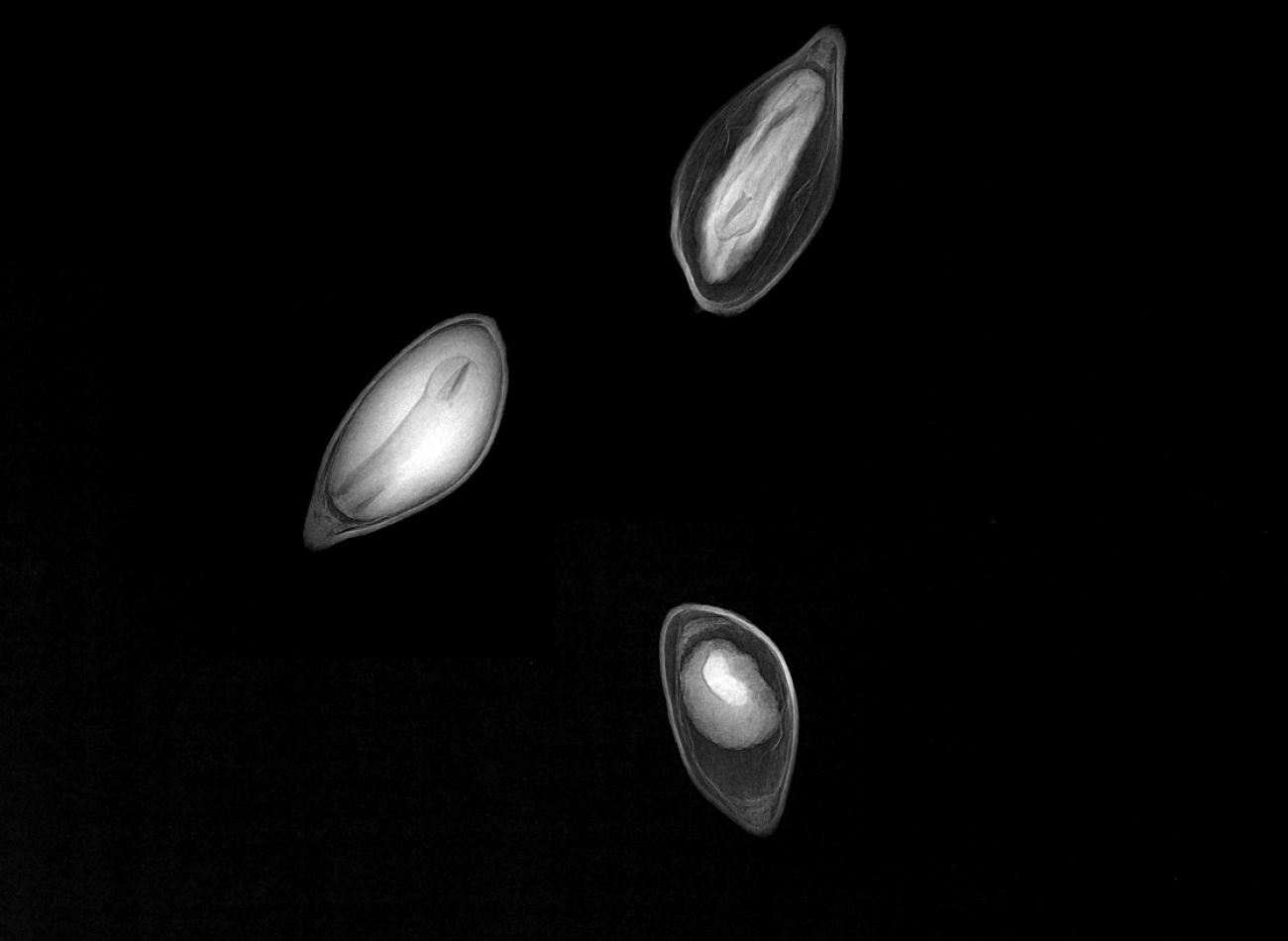
Radiography is a key tool in evaluating seed quality in commercial seed production. Seed maturity and viability can be reliably determined with 2D X-rays for most commercially important species.
SeediX is X-ray based imaging system for fast, non-destructive seed evaluation. It helps seed producers, laboratories, and researchers assess seed quality, detect defects, and optimize seed selection. Solution consists of advanced image processing, machine vision techniques, and AI-assisted analysis.
Seed imaging matters
With X-ray imaging, seed laboratories and producers can:
Detect empty or damaged seeds
Identify pest infestations
Evaluate seed maturity
Improve seed lot quality control
Radiography is a key tool in evaluating seed quality in commercial seed production. Seed maturity and viability can be reliably determined with 2D X-rays for most commercially important species.
SeediX is X-ray based imaging system for fast, non-destructive seed evaluation. It helps seed producers, laboratories, and researchers assess seed quality, detect defects, and optimize seed selection. Solution consists of advanced image processing, machine vision techniques, and AI-assisted analysis.
Seed imaging matters
With X-ray imaging, seed laboratories and producers can:
Detect empty or damaged seeds
Identify pest infestations
Evaluate seed maturity
Improve seed lot quality control
The SeediX solution
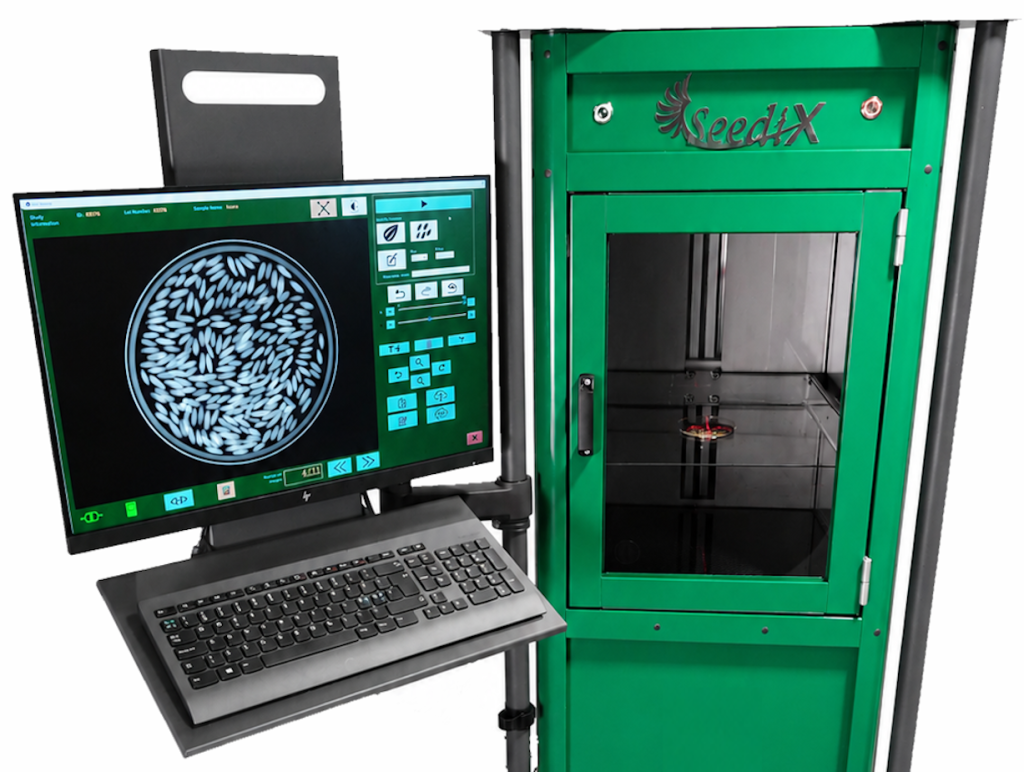
SeediX provides high-resolution digital X-ray imaging specifically designed for seed evaluation. Solution consist of an
X-ray imaging cabinet,
a dedicated workstation to control all functions of the system from one user interface
image processing optimized for seed images
AI- and machine vision-based analysis tools fully integrated into the user interface.
Using advanced image processing tools, SeediX enables efficient seed analysis for research, quality control, and commercial seed production.
Key capabilities include
High-resolution imaging; detailed geometric magnification allows precise visualization of seed structures without digital image deterioration.
Machine vision tools; Advanced software supports automated analysis and classification of seeds.
Organized data management; create structured databases of seed images and analysis results for research and quality control.
From batch to quality
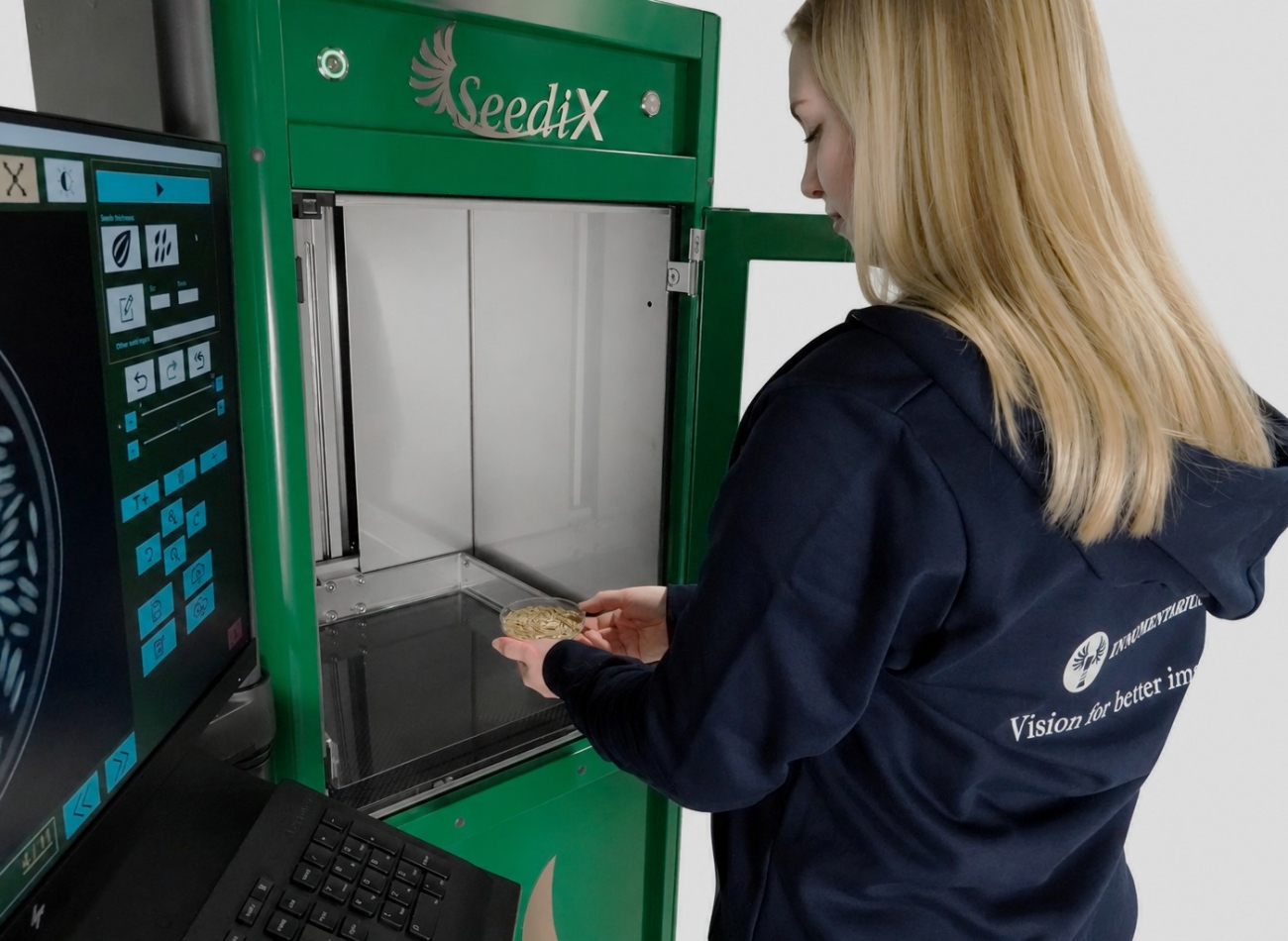
Seeds placed, Whole batch loaded into the cabinet. The 24 × 30 cm imaging area captures hundreds of seeds in a single exposure. No preparation. Nothing destroyed
X-ray capture, Microfocus X-ray with up to 18× motorized magnification — plus 2.5× software zoom — reveals internal anatomy. Automatic contrast optimisation applied immediately.
AI analysis, Each seed automatically counted, segmented and classified by defect type. Lot-level viability estimated from defect rates. Sample size determined instantly. No manual work required.
Decision made, Batch receives a quality ranking. TIFF images saved with full seed lot metadata — locally, on external storage, or to the SeediX Image Archiving System. Remotely viewable.
That’s what I learned when I first met Mrs. Katri Himanen, a researcher at the Seed Laboratory of the Natural Resources Institute Finland. Her insight sparked a realization: improving seed quality is one of the most meaningful ways to enhance human well-being.
In business, I believe every endeavor should serve a purpose beyond profit. Forests are the lungs of our planet. Biodiversity and regeneration are essential for future generations. Grains and food crops are the foundation of global nutrition — and their availability can prevent famine and ensure food security, even in times of crisis.
It’s no coincidence that the technology we originally developed for medical imaging — specifically breast cancer diagnostics — can now be applied to agriculture. We’ve adapted our proprietary imaging algorithms and machine vision techniques to assess seed quality at a microscopic level. Just as we identify anomalies in tissue samples, we can now detect internal defects in seeds, segmenting viable ones from the rest.
This breakthrough enables a new standard in seed production: more efficient processes, higher viability, and better resilience in the face of climate change and environmental stress. By improving seed quality, we’re not just enhancing agriculture — we’re contributing to a healthier planet.
Jouni Ihme
CEO, Founder
We use cookies to ensure that we give you the best experience on our website. If you continue to use this site we will assume that you are happy with it.